

In the early 2000’s, India’s golden trio of Jeev Milkha Singh, Jyoti Randhawa and Arjun Atwal were giants, lording over Asian Golf – each winning the No 1 position in different years. They all progressed to Europe and even to the PGA Tour.
Then came the next generation with Gaurav Ghei, SSP Chowrasia, Shiv Kapur , Anirban Lahiri and Gaganjeet Bhullar – each with multiple victories in Asia and Europe – each of them progressing nicely from winning Asian Tour events on Indian soil, then winning joint sanctioned events between Asia and Europe and finally winning all over the world.
That natural progression and pathway dried up for Indian golfers from 2022 when PGTI was wooed to work exclusively with the European Tour who simultaneously has broke long standing ties with the Asian Tour because the Asian Tour received funding from a European Tour rival, LIV Golf.
True – PGTI got some generous funding from the European Tour and got to stage two annual US$300,000 Challenge tour events in India plus receive one year playing rights for the No 1 ranked PGTI player each year.
However, suddenly going from 3 or 4 co-sanctioned Asian Tour events each year in India to zero events in India for 3 years ( in 2025 India finally got back 2 events) cut Indians’ chances of progressing in Asian Tour rankings.
The result is Indian players now struggle for a consistent presence on global tours, whereas in contrast, our neighbour Thailand’s steady pipeline of talent offers a stark contrast — and a useful benchmark.
The gap is not about talent. It is about structure.
A comparison between Thailand and India’s men’s golf systems reveals a clear reality — Thailand has built a robust, multi-level structure with the Asian Tour, while PGTI players have diminished access to global events.
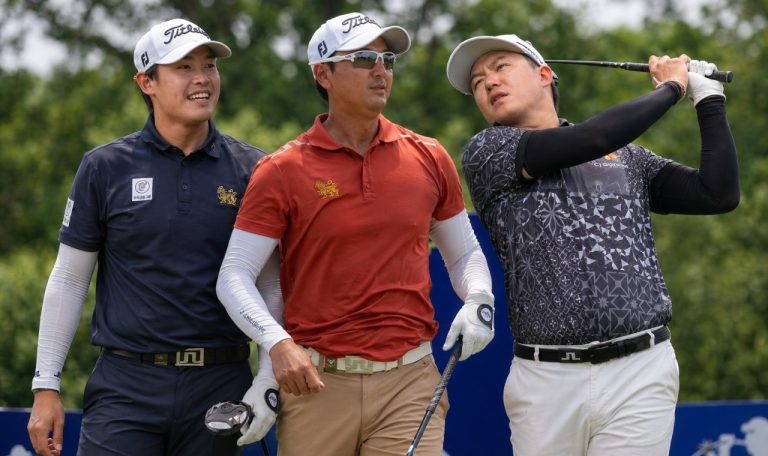
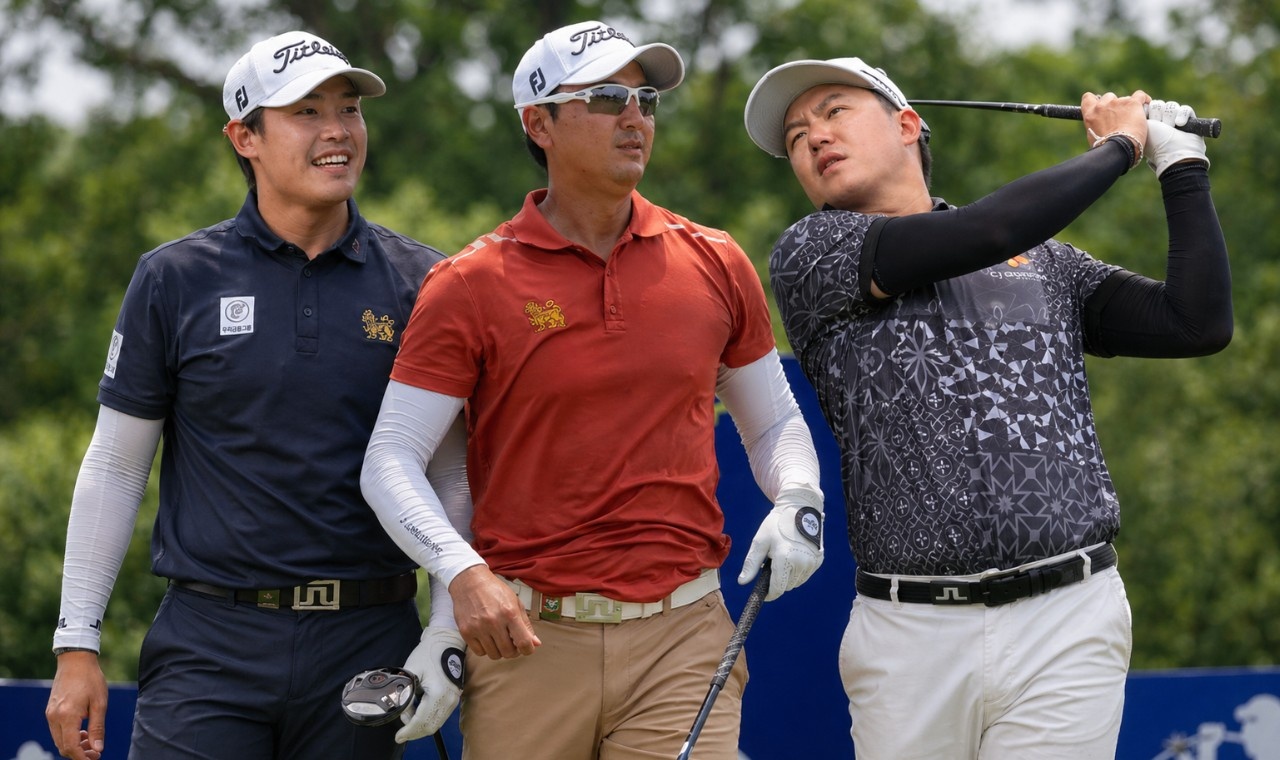
A look at the leaderboard at any Asian Development Tour or Asian Tour event of the past 3 years to see Thai names spread across the top 60 spots every week – in contrast to the lack of any Indian presence – shows the depth of players coming out of Thailand.
Thailand operates a layered pyramid. Players move from the Thailand Development Tour to the Thailand PGA and the All Thailand Golf Tour, before stepping up to the Asian Development Tour and eventually the Asian Tour. The system is interconnected, often co-sanctioned, and offers players world ranking points at multiple levels. The best Thais graduate to the European Tour.
India, in contrast, remains heavily dependent on a single circuit — the PGTI. With limited spots in co-sanctioned events – where the Indians were anyway out of their depth (India got 25 spots at the 2026 Hero Indian Open, down from 37 a few years ago and 26 spots at the 2025 DP World India Championship), in both events the best Indian finish was around 30th) and limited tours, Indian players often find themselves confined to the domestic circuit. The jump from PGTI to DP World misses at least two levels in between and the gap in competitiveness is proving difficult to surmount.
Thai players routinely compete in 30 to 40 events a year across tiers. In India, that number hovers around 18 to 22, with little access to joint sanctioned events in which they can compete realistically.
Thailand has also positioned itself as a hub of Asian golf, thanks largely to its huge number of world class championship courses, regularly hosting co-sanctioned events, qualifying tournaments and elite amateur and junior events, at different levels and integrating with regional tours. India’s international exposure has reduced in recent years, limiting both visibility and progression due to lack of championship courses and breaking of ties with the Asian Tour.
Thailand continues to produce a number of players inside the top 200 to 400 in the world rankings, and many in the top 60 of Asian rankings, while India’s leading players remain outside that range.
The takeaway is simple. Thailand has built volume and access. India has talent, but not enough pathways. Until that changes, the gap will only widen.
Photo – Asian Tour